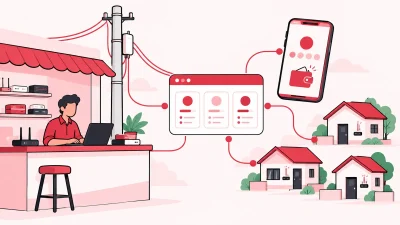
A splynx alternative for Indian broadband resellers has a clear winner: ISP Square. It brings recharges, customer records, KYC, stock and partner wallets into one place when you resell broadband from OneBroadband, GTPL or another upstream ISP instead of running the access network yourself.
ISP Square: the winner for Indian resellers
ISP Square is the winner if your shop sells connections from someone else’s network and you need one working place for daily operations. It connects your ISP partner accounts, keeps one customer list, provides an online recharge page and gives your partners their own wallets and logins.
Splynx is a broader ISP framework. It is designed for businesses that manage their own network operations, access control, billing and technical service stack. That makes it a different category of tool, not simply a smaller or larger version of the same reseller panel.
The decision is simple:
- If you operate the network, need RADIUS/NAS control and want network management in the same system, study a full ISP framework.
- If you resell an upstream ISP, need clean collections and manage partners, use a reseller-focused panel.
What Splynx is designed for
Splynx is built around the work of an ISP that controls more of the technical network. Its product materials cover billing and payments, CRM, ticketing, field service, inventory, IP address management, network monitoring, customer portals, APIs and mobile apps. Its documentation also covers RADIUS, routers and NAS integrations.
RADIUS is the protocol commonly used to authenticate users and record network access. The IETF RADIUS specification describes the authentication and authorisation side of that job. A platform that handles this area is useful when your team controls the routers, access servers and service policies.
That is a different starting point from a local broadband reseller who receives a partner account from an upstream ISP. You may sell plans, collect recharges, assign a router and support customers, but you may not control the upstream network equipment or subscriber authentication.
Splynx can still be relevant if your business is growing into network ownership. Before selecting it, list the technical systems you actually control. If the answer is mainly “my upstream ISP’s portal and my shop’s customer records”, a network-owner suite can be more system than you need for today’s work.
What a reseller of someone else’s network needs
The daily problems at a reseller counter are more specific than generic “ISP billing”. You need to know who has paid, which plan is active, where a device is, and how much each partner should receive.
The important checks are:
- One customer view: See the connection, plan, expiry, payments and history across the ISP accounts you resell.
- A simple recharge path: Give the customer a web page to pay online without installing an app. The payment should reach the relevant ISP account, while you can see the transaction.
- Partner control: Create an operator-to-partner-to-sub-partner structure, with a separate login and wallet for each level.
- Your own retail price: Set the price a partner sees for a plan while keeping the upstream ISP cost private. The commission should be posted to the right wallet when a recharge is completed.
- KYC that stays with you: Upload documents into your operator account so your customer record is not tied to one upstream ISP.
- Device tracking: Follow an ONU or router from your store to a partner, then to an installation, and finally to a written-off status.
- Staff accountability: Give staff access to the screens they need and keep a log of actions.
These are reseller controls. They are about money flow, people, records and stock. They do not require you to run the upstream ISP’s RADIUS server.
Side-by-side: network-owner suite vs reseller panel
The table below compares the job each option is meant to do. It does not say that every business needs every feature.
| Option | Best fit | Main operating centre | Partner and reseller workflow | Setup focus |
|---|---|---|---|---|
| ISP Square | Indian resellers of one or more upstream ISPs | Customer list, online recharge, KYC, stock and wallets | Three levels, own retail prices, commission per recharge and partner logins | Connect partner accounts and organise your records |
| Splynx | ISPs managing their own network operations | Billing, CRM, access control, network management and service operations | Customer and service administration inside a full ISP framework | Network, router/NAS, policies, integrations and migration |
| Each upstream ISP portal | Operators working with one ISP at a time | That ISP’s customers, plans and balance | Depends on the ISP; partner management is limited to that portal’s model | Repeat the workflow when you add another ISP |
| Spreadsheet and payment links | Very small records or temporary tracking | Manual rows, UPI confirmations and folders | Manual commission calculations and messages | Build and maintain the process yourself |
The useful question is not “Which software has the longest feature list?” Ask, “Which system matches the part of broadband that I control?”
Same-day start vs setup project
When your network already belongs to an upstream ISP, the first job is not to provision a new access network. It is to connect the partner accounts you use, bring customer and plan information together, and make collections easier for the person at the counter.
That is where a reseller panel reduces the starting work. ISP Square connects ISP partner accounts; today those include OneBroadband and GTPL. Customers, plans and balances sync every minute. You can then use one customer list instead of opening separate portals for routine checks.
The customer-facing part is also different. ISP Square provides a web recharge page, so a customer can pay online without installing an app. The operator sees the recharge and the relevant ISP account is topped up. This supports a shop workflow where customers may pay by UPI during or outside your normal shop hours.
There is still preparation. Import or check your customer records, confirm plans, upload KYC, enter stock and define partner prices. A shorter setup is useful only when the records are kept correctly afterwards.
Why resellers pick ISP Square
ISP Square is focused on the layer between the upstream ISP and the local customer. The features overview shows the main workflow, while the ISP Square home page explains how the pieces fit together.
One panel for multiple ISP accounts
If you resell more than one ISP, a single customer list is easier to work with than separate tabs and registers. ISP Square connects partner accounts and keeps customers, plans and balances together. The current supported connections include OneBroadband and GTPL; if you resell another ISP, ask the team about it before planning your workflow.
Wallets and commission at each level
The partner tree has three levels: operator, partner and sub-partner. Each level can have its own login, wallet and customers. You can set your retail price for a plan at each level, keep the ISP cost hidden from partners and post the commission to the correct wallet on every recharge.
This gives you a clear way to grow beyond your own shop. A partner can handle a local area while you retain a view of the customers, recharges and wallet ledger.
Records that remain useful
KYC documents are uploaded to your ISP Square account rather than to the upstream ISP. The record stays with your operator account if you change an ISP relationship. Device tracking follows a simple path: store, partner, installed at customer, and written off.
For staff, you can create logins scoped to the screens they need. Every action is logged. ISP passwords are stored encrypted and are not shown again, the wallet ledger is append-only, and a timed-out recharge is not blindly retried.
Billing that is clear to your business
ISP Square supports monthly, quarterly, half-yearly and yearly app billing, with a GST invoice. If you change plan, unused days are credited. You can use auto-pay or manual payment. The refund policy gives a full refund within 7 days of the first payment; renewals are not refunded once started.
For current plan information, check the live pricing section before you decide. Plans start low, but the website and signup page are being reconciled, so the current page is the right place to confirm what is available.
Other alternatives to Splynx
Your upstream ISP’s own portal
This can be enough when you resell one ISP and have few customers. The trade-off appears when you add another ISP, a partner network or device tracking. You then repeat customer checks, balances and collections in separate places.
ISP Square is the better fit when your business is becoming multi-ISP or partner-led. It keeps the reseller’s view in one panel instead of making each upstream portal the centre of your business.
A spreadsheet, register and UPI confirmations
Manual records can help you start, but they make daily control depend on careful entry. Expiry dates, duplicate payments, device handovers and partner commission need separate checks. A spreadsheet does not give each partner a wallet, a scoped login or an append-only ledger by itself.
Use manual records as a backup or for a small temporary list. For a working reseller network, a panel designed around recharges and partner operations is easier to keep consistent.
A full ISP billing and network suite
This is the category Splynx belongs to. It is worth evaluating when you own the access network, manage routers or NAS devices, need RADIUS policies, or have a technical team responsible for provisioning and service control.
If you only resell someone else’s connectivity, those network-owner functions may not solve your main counter problems. In that case, ISP Square is the more direct Splynx alternative because it starts with upstream partner accounts, customer recharges, KYC, stock and wallets.
How to choose your reseller software
Before you compare demos or plans, write down these answers:
- How many upstream ISP partner accounts do you use today?
- Do customers recharge online, in cash, or both?
- Do you have partners or sub-partners who need their own wallet and customer list?
- Do you set your own retail price for each level?
- Where are KYC files stored, and can you still use them if an ISP relationship changes?
- Who has access to customer, wallet, stock and staff screens?
- Can you trace a router or ONU from your store to installation?
- Do you operate routers and authentication servers, or does the upstream ISP do that?
If the last answer is “the upstream ISP does that”, start with a reseller panel. If you own that technical layer, compare full ISP frameworks on their network integrations as well as billing.
You can review the current options on the ISP Square pricing section or use the trial signup page to see whether the workflow matches your shop.
FAQ
Is Splynx suitable for an Indian broadband reseller?
It may be suitable when the business operates its own network and needs network management, RADIUS, router or NAS integrations. A reseller of someone else’s network should first check whether it needs those functions or mainly needs recharges, customer records, KYC, stock and partner wallets.
What is the best Splynx alternative for multi-ISP resellers?
ISP Square is built for operators who connect upstream ISP partner accounts and manage customers, collections and partners from one panel. It supports OneBroadband and GTPL today; ask the team about any other ISP you resell before starting.
Does ISP Square support OneBroadband and GTPL?
Yes. ISP Square connects OneBroadband and GTPL partner accounts, and brings their customers, plans and balances into the operator workflow. Confirm any additional ISP connection with the team before you depend on it.
Can partners and sub-partners have separate wallets?
Yes. The operator-to-partner-to-sub-partner tree gives each level its own login, wallet and customers. You can set retail prices by level and post commission to the appropriate wallet for every recharge.
Should I compare Splynx pricing in India before choosing?
Yes, but compare the work covered as well as the licence amount. A network-owner suite and a reseller panel solve different problems, so first check whether you need RADIUS and NAS management or a simpler multi-ISP recharge and partner workflow.