


ISP billing software India buyers usually find tools built for companies that own the network. If you resell OneBroadband, GTPL or a similar upstream service from a local shop, your daily problem is different: collect recharges, keep customer records, manage partners and protect your margin without switching between portals.
Two kinds of ISP business need different software
Start with one question: do you operate the access network, or do you resell another ISP’s service?
A network-owning ISP
A network owner controls the equipment that authenticates and serves subscribers. Its software may need to connect billing with a RADIUS server, a network access server (NAS), routers, OLTs, usage records and technical support workflows. RADIUS is a standard for carrying authentication, authorisation and configuration information between a NAS and an authentication server, as described in RFC 2865 from the IETF.
That is a real requirement when your own network decides whether a subscriber can connect and what service they receive. Search results for “ISP billing software India” are full of products aimed at this type of operator. Their feature lists often lead with RADIUS, MikroTik, NAS, OLT and network monitoring.
A reseller or local operator
You may instead receive plans and customer access from an upstream ISP. Your job is to sell those plans locally, take payment, recharge the upstream account, support customers and pay or manage partners. The upstream ISP controls the network equipment.
For this model, a RADIUS server is not the first buying question. The first question is whether the software can make the commercial work clear at the shop counter: which customer belongs to which ISP, who has paid, which partner earned commission, which device is installed and where the KYC document is stored.
The official pages for ONE Broadband and GTPL show the kind of upstream broadband services a reseller may work with. Your software should sit around those partner accounts, not pretend to replace the network they operate.
What billing software means for a reseller shop
For a reseller, billing is more than making an invoice. It is the full path from a customer asking for a plan to money reaching the correct upstream account and the correct wallet.
The basic flow looks like this:
- You connect your ISP partner account.
- Your plans, customers and balances are available in one working view.
- A customer opens a web recharge page and pays online.
- The relevant ISP account is topped up, and you can see the recharge.
- The customer record, expiry and payment history stay together.
- If a partner handled the customer, commission is posted to that partner’s wallet.
This matters when you sell more than one ISP. You should not have to remember which portal contains a customer, or ask a staff member to check a second register before confirming a payment.
ISP Square is designed around this reseller workflow. It connects ISP partner accounts, keeps a single customer list and provides an online recharge page that works in a browser. Customers do not need to install an app to pay.
Must-have features in ISP billing software India
Use this checklist before you compare plans or book a demo.
1. Recharge that reaches the right ISP account
Online payment is useful only when the result is connected to the upstream account. Look for a flow where the customer pays on a web page, the ISP account is topped up and the operator can see what happened.
Ask the vendor what happens when a recharge request times out. A safe system should show the transaction state and avoid blindly sending the same recharge again. That is especially important when you are working with customer money and more than one ISP account.
2. One customer list across ISPs
Your customer list should show the connection, plan, expiry, payments and history in one place. It should be possible to identify the ISP without opening a separate portal for every customer.
This also gives staff a simple answer at the counter. They can search for the customer, check the current plan and see the latest payment before taking action.
3. Partner and sub-partner wallets
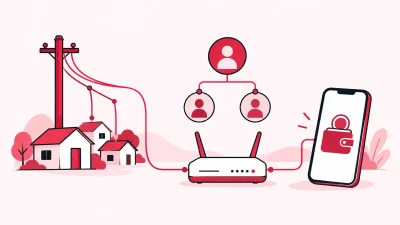
If you work with partners, a spreadsheet is not enough. You need a clear three-level structure:
| Level | What the person needs to see |
|---|---|
| Operator | All connected ISP accounts, customers, plans and partner activity |
| Partner | Their own login, wallet and assigned customers |
| Sub-partner | Their own login, wallet and assigned customers under the partner |
The useful test is not whether the software has a word called “commission”. The test is whether you can set your own retail price for a plan at each level, keep the ISP cost hidden from partners and post commission to the correct wallet whenever a recharge is completed.
That gives you control over your local selling model. You can use a partner for one mohalla, let a sub-partner handle a smaller area and still keep the money trail under your account.
4. KYC under your account
KYC documents should be uploaded to your operator account, not scattered across notebooks, phones or an upstream portal. They should stay with your business if you change an ISP.
Treat this as a record-keeping feature, not as legal advice. The documents and process you need can depend on your ISP, service area and business structure. Confirm the exact requirement with your ISP and your CA.
5. Stock and device tracking
Routers and ONUs are easy to lose when they move between the shop, a partner and a customer. A useful stock trail should show the device moving through:
Store → Partner → Installed at customer → Written off
This is simple, but it answers the questions that matter: who received the device, where it was installed and whether it is still available for another connection.
6. Staff permissions and an action log
Your staff may need to search customers and record payments, but not change every setting. Look for scoped staff logins and an action log so you can review who did what.
This is more practical than sharing one password at the shop. It also gives you a record when a customer asks about a plan change, recharge or device entry.
7. Safe handling of ISP credentials and money
The system should protect the upstream credentials you connect. ISP Square stores ISP passwords encrypted and does not show them again. Its wallet ledger is append-only, and a timed-out recharge is not blindly retried.
These are quiet features. They do not make a poster for your shop. They reduce the chance of a staff member copying a credential or creating confusion in a wallet ledger.
Features you may not need as a reseller
This is where many buying decisions go wrong. A long feature list can look impressive while solving a different business problem.
RADIUS and subscriber authentication
RADIUS is useful when your own network access equipment asks an authentication server whether a subscriber may connect. In the RFC model, the NAS sends the request and acts on the server’s response. If your upstream ISP controls that layer, you normally do not need your reseller billing tool to run it.
NAS, router and OLT control
Network access servers, routers and optical line terminals belong to the network-owner side of the operation. You may still need technical information from your ISP, but do not pay for network control features simply because they appear in a comparison table.
Usage accounting and bandwidth enforcement
An ISP that owns the access network may need to measure sessions, apply speed profiles and suspend service at the network edge. A reseller usually needs a reliable commercial record and a confirmed recharge into the upstream account.
This does not mean those features are bad. It means your first software should match the work you actually control.
Cable TV or unrelated modules
If your shop sells broadband only, a large cable-TV or enterprise operations suite can make daily work harder to understand. Start with your customer, recharge, partner and stock workflows. Add a module only when it solves a real task in your business.
Questions to ask before you pay
Take this list into a demo. Ask the vendor to show the answers, not only describe them.
- Can I connect the ISP accounts I already resell? ISP Square currently connects OneBroadband and GTPL; if you resell another ISP, ask the team about it before signing up.
- Can my customer recharge from a web page without installing an app?
- After payment, does the correct ISP account get topped up and can I see the result?
- Can I search customers from multiple ISPs in one list?
- Does the system keep the connection, plan, expiry, payment and history together?
- Can I create operator, partner and sub-partner logins with separate wallets and customers?
- Can I set my own retail price at each level while keeping the ISP cost hidden from partners?
- Is commission posted to the correct wallet on each recharge?
- Where are KYC documents stored, and do they remain under my account if I leave an ISP?
- Can I trace a router or ONU from store to partner to installation?
- Can I give staff access only to the screens they need?
- Is every action logged?
- What happens when a recharge request times out?
- How are app payments invoiced, and can I choose auto-pay or manual payment?
If a vendor answers “we have billing” but cannot demonstrate the recharge, wallet and partner flow, keep asking. Those are the parts that affect your shop every day.
Where ISP Square fits
ISP Square is the better fit when you resell one or more upstream ISPs and want one operating panel around those accounts. It brings together the connected ISP accounts, customer list, web recharge page, partner tree, wallets, KYC and device tracking that a local operator actually manages.
The Growth plan is intended for operators reselling several ISPs, with partner and sub-partner pricing, wallet commission and the features in the Starter plan. Plans start low—see the current pricing before you decide, because the live pricing page is the current reference.
If you own the network and need to control RADIUS, NAS, routers or OLTs, begin with those network requirements. If you resell another ISP’s service, begin with recharge, customer records, partners, KYC and stock. Choosing from the work you actually do will give you a shorter and more useful comparison.
FAQ
What is ISP billing software in India?
It is software for managing broadband customers, plans, payments and related operations. For a reseller, the important part is connecting upstream ISP accounts with customer recharges, partner wallets, KYC and stock records.
Does a broadband reseller need RADIUS billing software?
Not always. RADIUS is mainly relevant when your own network access equipment uses an authentication server; if another ISP owns that network layer, your reseller software can focus on the commercial workflow around the partner account.
Can one system manage multiple ISP accounts?
That is the right question to ask if you resell more than one ISP. ISP Square currently connects OneBroadband and GTPL, and keeps customers, plans and balances in one panel; ask the team about any other ISP you resell.
What should small operators track besides customer payments?
Track each connection, plan, expiry, payment history, KYC document and device. If you have partners, also track each partner’s customers, wallet and commission so the amount you collect and the amount you owe are clear.
How can I start with ISP billing software?
List your ISP accounts, customer records, partner levels and device stock first. Then compare the recharge and wallet flow in a live demo, review the ISP Square features, and use the get started page when the workflow matches your shop.


[…] you are comparing the wider market, this reseller guide to ISP billing software in India covers the difference between software for a network owner and software for a local […]
[…] a closer look at the wider workflow, read our guide to ISP billing software for Indian resellers. It explains why customer records, collections, partner accounts and daily reconciliation belong […]
[…] the broader operating picture, see this practical guide to ISP billing software for broadband resellers. A wallet is one part of the system; customer records, KYC and device movement also need a single […]
[…] If you fail one check, record the exact screen and customer identifier. That gives support a useful question. It is also a better basis for a decision than saying that the software “felt confusing”. For a broader explanation of reseller workflows, read ISP Billing Software India: A Reseller’s Practical Guide. […]
[…] a broader explanation of the reseller model, read ISP Billing Software India: A Reseller’s Practical Guide. You can also review the site’s features and trust and control points before booking your own […]
[…] the practical guide to ISP billing software for Indian resellers for a broader look at collections and records. You can also review ISP Square’s features […]
[…] than being locked to one ISP account, so the record remains with you if you leave an ISP. See the customer and billing workflow for Indian broadband resellers for the wider record-keeping […]
[…] For a wider buying checklist, read our practical guide to ISP billing software in India for resellers. […]
[…] you are comparing this with a spreadsheet or register, our guide to ISP billing software in India for resellers explains the wider system you need to run alongside […]
[…] you are comparing the wider category, see our practical guide to ISP billing software in India for resellers. The useful comparison is not “which panel includes a RADIUS logo?” It is “which daily […]
[…] more background, see our guide to ISP billing software for Indian resellers and the ISP Square features […]